


Everyday high-frequency object vocabulary
This set contains objects you use constantly: key, wallet, phone, charger, bottle, bag, box, paper, pen and card. Because they are so common, the useful vocabulary is in the phrases: pick up your keys, charge your phone, fill a bottle, carry a bag and write on paper.
Location phrases are essential: on the table, in the drawer, under the bed, next to the door, in your pocket. These phrases describe where everyday objects are kept and are more useful than a bare list.
Material and condition words add detail: a leather wallet, a plastic bottle, a broken charger, an empty box. You can also use verbs: lose, find, borrow, lend, drop and return. These are common in everyday stories.
Learning tips
- Learn objects with actions: pick up keys, charge a phone, fill a bottle.
- Use location phrases: in the drawer, on the table, in your pocket.
- Practise everyday verbs: lose, find, borrow, lend, drop.
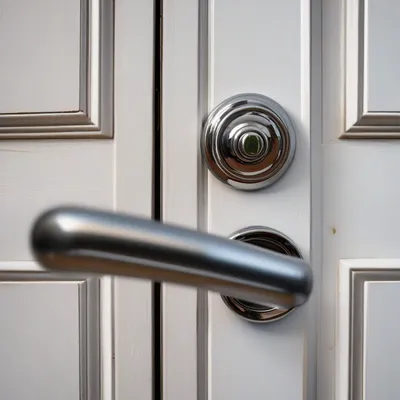
door handle
A device for opening a door.

elevator
A machine that carries people between floors.

ceiling
The upper interior surface of a room.

floor
The lower surface of a room.

corner
The place where two walls or surfaces meet.

shadow
A dark area caused by something blocking light.

reflection
An image seen in a mirror or water.

footprint
A mark left by a foot on a surface.

fingerprint
The unique pattern of a person's fingertip.

dust
Fine dry particles on a surface.

street lamp
A light on a pole lighting a road.

bench
A long seat for several people.
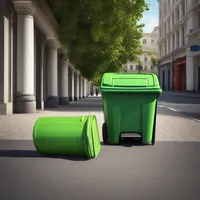
rubbish bin
A container for waste.
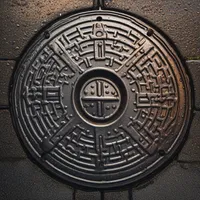
manhole cover
A round metal cover over an underground shaft.

pipe
A tube through which water or gas flows.
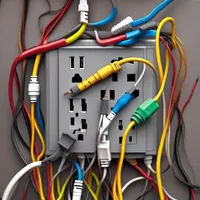
cable
A thick wire for electricity or communication.
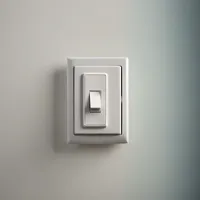
switch
A device for turning electricity on and off.

electricity pylon
A tall metal structure carrying electricity cables.

plug hole
The hole in a sink or bath through which water drains.
Related categories
View all categoriesLearning guides
Original articles on vocabulary, flashcards, vocabulary size and pronunciation.
How Many English Words Do You Need?
What 1,000, 2,000, 5,000 and 10,000 word families actually let you do, and why the number matters less than the words you choose.
6 min readHow to Remember English Words You Learn
A practical, evidence-informed routine for moving English words from short-term recognition into long-term memory.
8 min read