Landform and geology vocabulary
Geology vocabulary includes rock, mineral, soil, layer, fault, magma, lava and fossil. Landforms include mountain, plateau, canyon, valley, delta, glacier and volcano. Learning the process and the shape together makes the words easier to remember.
Geological processes are verbs: erode, erupt, shift, fold, weather, deposit and solidify. Water erodes rock; a volcano erupts; tectonic plates shift; lava solidifies as it cools. These verbs appear in science texts and documentaries.
Time language is important because geological change is slow: millions of years, gradual, sudden, ancient and recent. A river can slowly erode a canyon over millions of years, while an earthquake can change a landscape suddenly.
Learning tips
- Pair landforms with processes: river erodes, volcano erupts, plates shift.
- Collect rock and soil words: mineral, layer, fault, fossil.
- Use time language: gradual, sudden, millions of years.
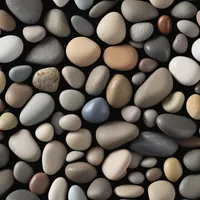
rock
A solid mineral material.
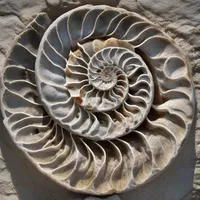
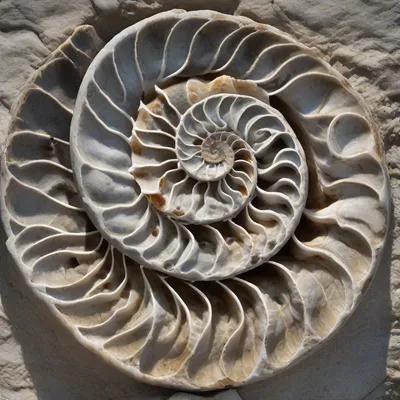
fossil
The remains of an ancient organism preserved in rock.
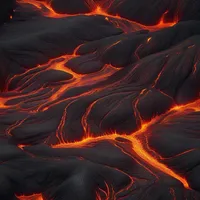
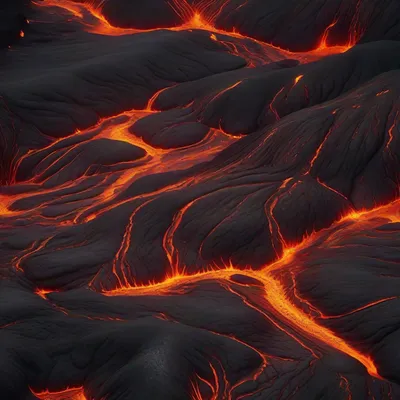
lava
Molten rock flowing from a volcano.
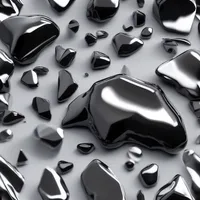
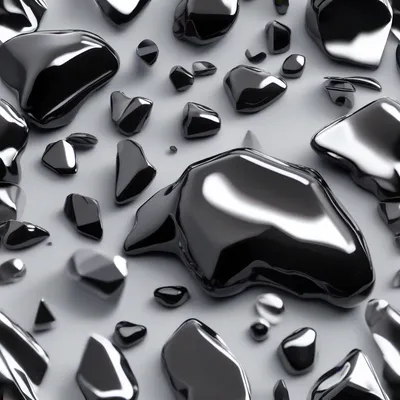
obsidian
A black glassy rock formed from volcanic lava.
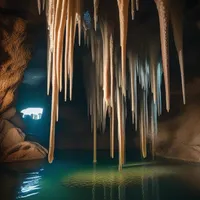
stalactite
A spike of rock hanging from a cave ceiling.
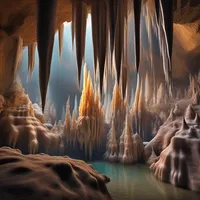
stalagmite
A spike of rock rising from a cave floor.
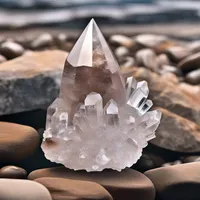
quartz
A common transparent or colored mineral.
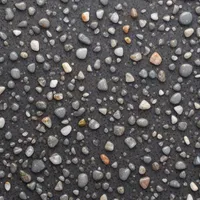
granite
A hard grey or pink rock used in construction.
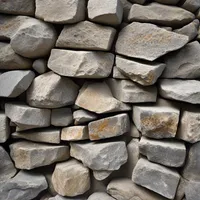
limestone
A sedimentary rock made from marine organisms.
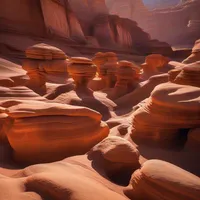
sandstone
A rock formed from compressed sand.
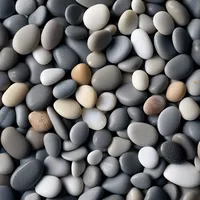
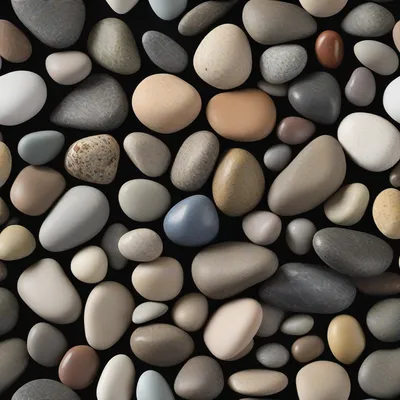
pebble
A small smooth stone.

clay soil
A heavy soil made mostly of fine particles.
Related categories
View all categoriesLearning guides
Original articles on vocabulary, flashcards, vocabulary size and pronunciation.