


Body parts and the actions that go with them
Body parts are easy to point to, but the useful vocabulary is in the actions. You nod your head, shake your head, raise your hand, shake hands, shrug your shoulders and cross your legs. These phrases describe everyday gestures and appear constantly in stories and conversations.
Health vocabulary builds on the same words. You have a headache, a stomachache, a sore throat or a broken arm. You hurt your knee, twist your ankle or burn your hand. English often uses have for symptoms and hurt for pain.
Some body words are used figuratively. The head of a company, the foot of a mountain, the mouth of a river and the heart of the city are common metaphors. Learning these extensions makes your vocabulary more flexible.
Learning tips
- Learn each body part with a common action: nod your head, raise your hand, shrug your shoulders.
- Use have for symptoms: have a headache, have a sore throat.
- Collect figurative uses: the head of a company, the foot of a mountain.

head
The top part of the body containing the brain.

face
The front of the head with eyes, nose, and mouth.
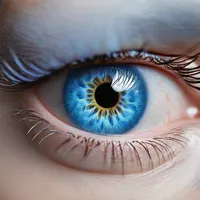
eye
The organ used for seeing.
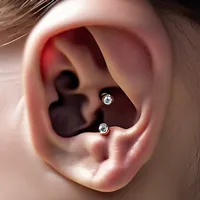
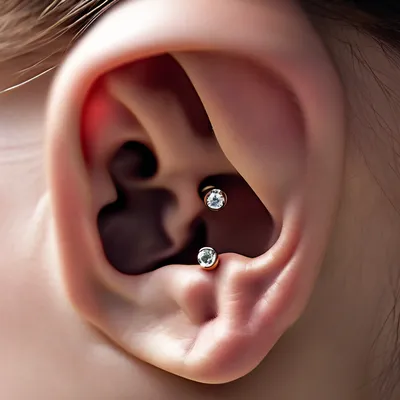
ear
The organ on the side of the head used for hearing.

nose
The part of the face used for smelling and breathing.

mouth
The opening in the face used for eating and speaking.

tooth
A hard white structure in the mouth for biting.

tongue
The muscular organ inside the mouth used for tasting.

hair
The thin strands that grow on the head.

neck
The part connecting the head to the body.

shoulder
The joint where the arm meets the body.

arm
The limb from shoulder to hand.

elbow
The joint in the middle of the arm.

wrist
The joint between the hand and the forearm.
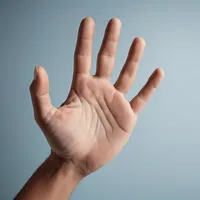
hand
The body part at the end of the arm with fingers.

finger
One of the five digits on the hand.

thumb
The short thick first finger of the hand.

chest
The front of the upper body between neck and stomach.

stomach
The belly area of the body.

back
The rear side of the upper body.

leg
The limb used for walking, from hip to foot.
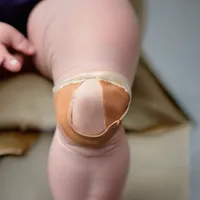
knee
The joint in the middle of the leg.

ankle
The joint connecting the leg and foot.

foot
The body part at the end of the leg used for walking.

toe
One of the five digits on the foot.

heel
The back part of the foot.

skin
The outer covering of the body.
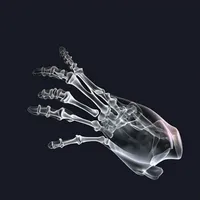
bone
The hard structure inside the body that supports it.

muscle
Body tissue that helps move the body.
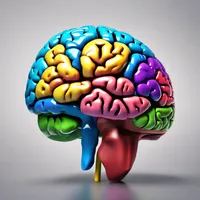
brain
The organ inside the head that controls the body.
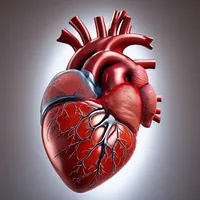
heart
The organ that pumps blood through the body.
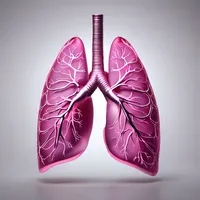
lung
An organ in the chest used for breathing.

eyebrow
The strip of hair above the eye.

cheek
The side of the face below the eye.

forehead
The flat area above the eyes and below the hairline.
Related categories
View all categoriesLearning guides
Original articles on vocabulary, flashcards, vocabulary size and pronunciation.