

Space and astronomy vocabulary
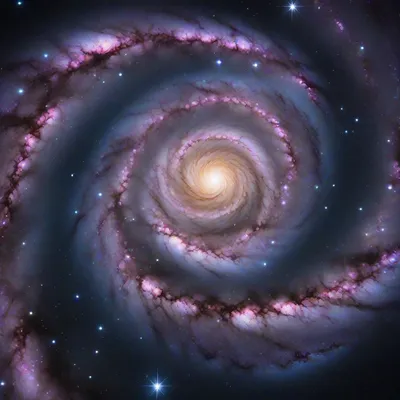
Space vocabulary includes planets, stars, moons, galaxies, comets and asteroids. The Sun is a star, the Earth is a planet, and the Moon is a natural satellite. These categories are precise and worth learning correctly.
Movement verbs describe orbits and gravity: orbit, rotate, revolve, launch, land and float. The Earth orbits the Sun and rotates on its axis. Astronauts float in space; rockets launch from the ground and land back on Earth.
Space is the near-empty region beyond Earth's atmosphere; the universe is everything that exists, including all galaxies. A space mission explores space, while astronomy studies the universe. The words overlap, but they are not interchangeable.
Learning tips
- Learn categories: star, planet, moon, galaxy, comet, asteroid.
- Use movement verbs: orbit, rotate, launch, land, float.
- Keep space (near-Earth region) separate from the universe (everything).

comet
A celestial object with a bright tail.
galaxy
A huge system of stars and planets.

meteor
A small body of matter that enters the earth's atmosphere.
nebula
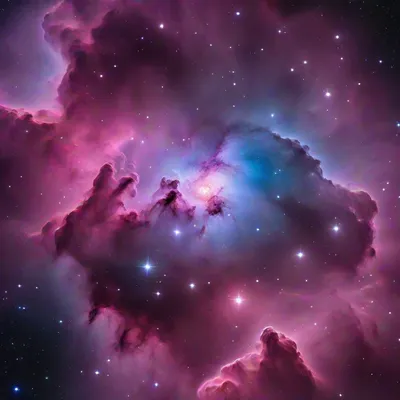
A giant cloud of dust and gas in space.
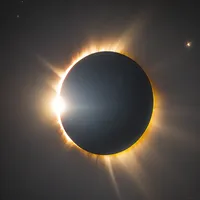
eclipse
When one celestial body blocks light from another.

aurora
Colorful lights in the night sky near the poles.
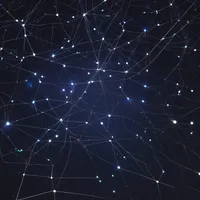
constellation
A group of stars forming a pattern.
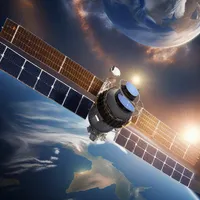
satellite
An object that orbits a planet.
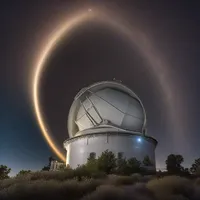
telescope
An instrument for viewing distant objects.

crater
A bowl-shaped depression on a surface.
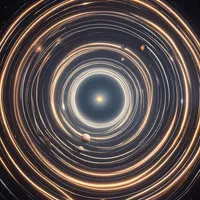
orbit
The curved path of an object around a star or planet.
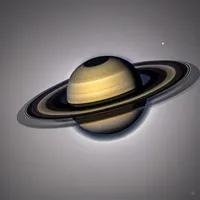
planetary
Relating to a planet.

asteroid
A rocky body orbiting the sun.

spaceship
A vehicle designed for space travel.

alien
Relating to beings from another world.

planet
A large round object that orbits a star.

black hole
A region where gravity is so strong nothing escapes.
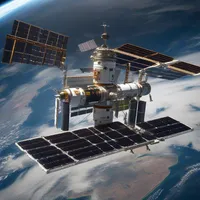
space station
A spacecraft where astronauts live and work in orbit.
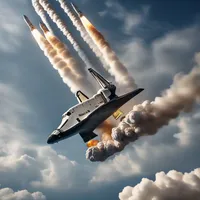
space shuttle
A reusable spacecraft for travel to orbit.
Related categories
View all categoriesLearning guides
Original articles on vocabulary, flashcards, vocabulary size and pronunciation.