Science and laboratory vocabulary
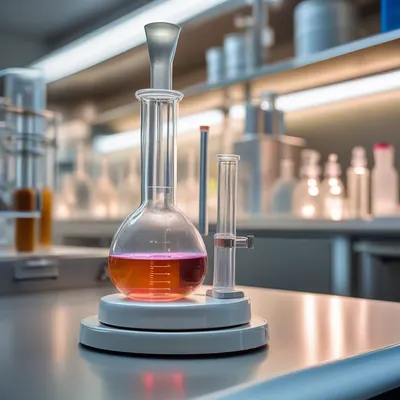
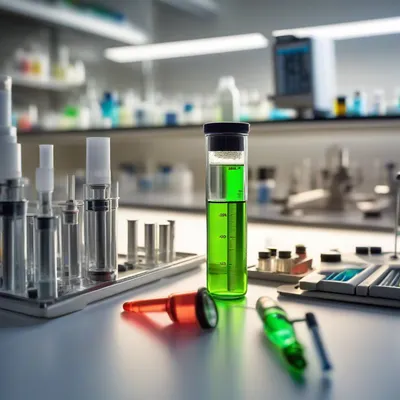
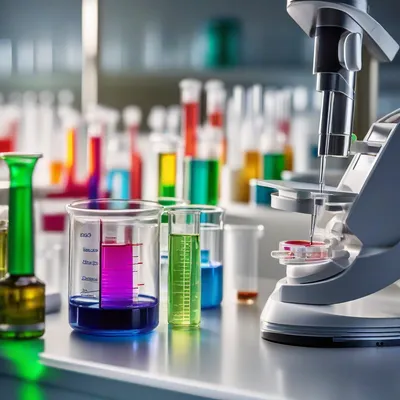
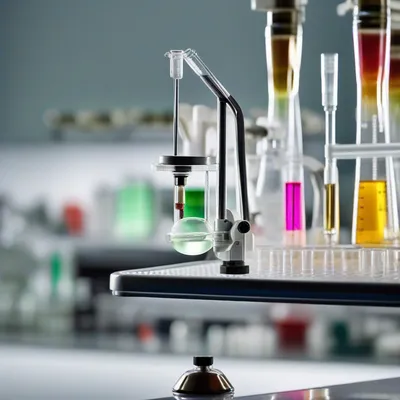
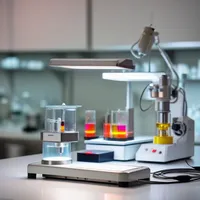
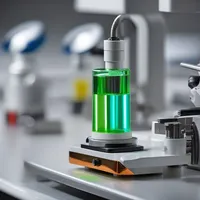
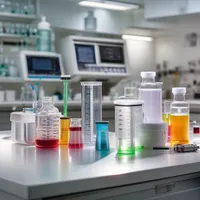
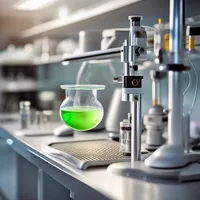
Laboratory vocabulary includes beaker, test tube, pipette, microscope, scale, burner and sample. You measure a sample, heat a liquid, observe a reaction and record the result. These verbs describe the basic experimental process.
Scientific method words include hypothesis, experiment, variable, control, data, result and conclusion. You test a hypothesis, collect data, analyse results and draw a conclusion. These words appear in science reports and news stories.
Safety is central: goggles, gloves, lab coat, fume cupboard and hazard symbol. Instructions are short and direct: Wear goggles, Do not taste, Handle with care and Report spills. These phrases are practical and easy to remember.
Learning tips
- Learn equipment: beaker, test tube, pipette, microscope, scale.
- Collect method words: hypothesis, variable, data, result, conclusion.
- Practise safety phrases: wear goggles, do not taste, report spills.
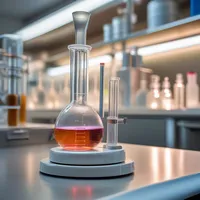
beaker
A scientific or laboratory item, specifically a beaker which is a lab glass.
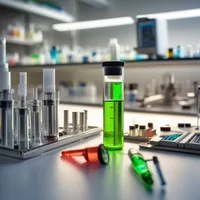
testtube
A scientific or laboratory item, specifically a testtube which is a glass tube.
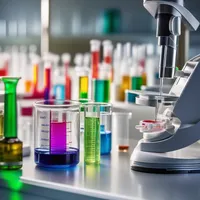
pipette
A scientific or laboratory item, specifically a pipette which is a liquid dropper.
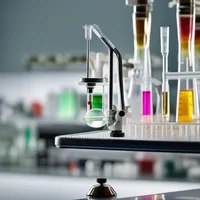
burette
A scientific or laboratory item, specifically a burette which is a measuring glass.

graduated
A scientific or laboratory item, specifically a graduated which is a marked cylinder.
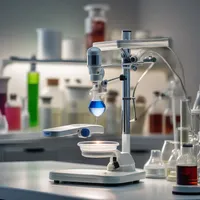
petridish
A scientific or laboratory item, specifically a petridish which is a culture dish.
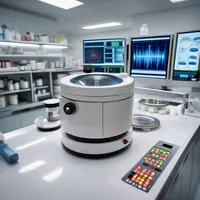
centrifuge
A scientific or laboratory item, specifically a centrifuge which is a spinner machine.
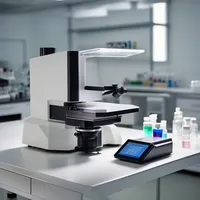
spectrometer
A scientific or laboratory item, specifically a spectrometer which is a light analyzer.
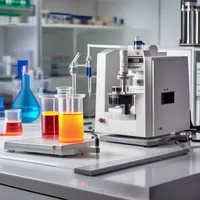
chromatograph
A scientific or laboratory item, specifically a chromatograph which is a mixture separator.
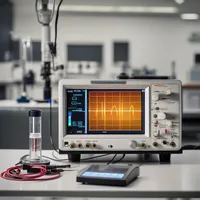
oscilloscope
A scientific or laboratory item, specifically a oscilloscope which is a wave viewer.
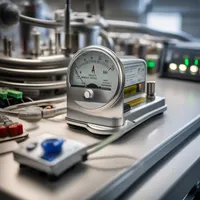
voltmeter
A scientific or laboratory item, specifically a voltmeter which is a voltage measurer.
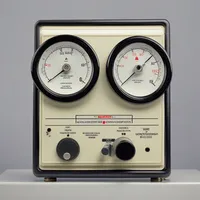
ammeter
A scientific or laboratory item, specifically a ammeter which is a current measurer.
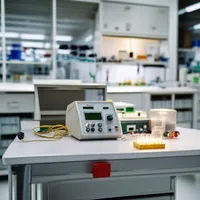
ohmmeter
A scientific or laboratory item, specifically a ohmmeter which is a resistance measurer.
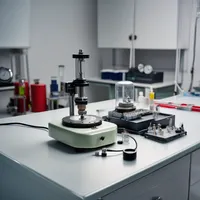
galvanometer
A scientific or laboratory item, specifically a galvanometer which is a small current.
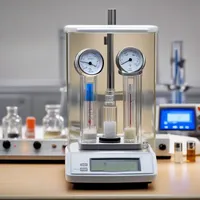
hygrometer
A scientific or laboratory item, specifically a hygrometer which is a humidity measurer.
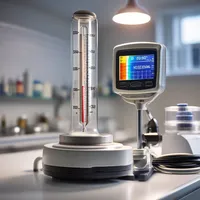
thermometer
A scientific or laboratory item, specifically a thermometer which is a temperature tool.
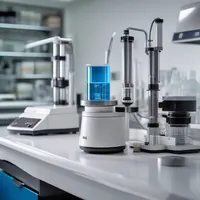
calorimeter
A scientific or laboratory item, specifically a calorimeter which is a heat measurer.
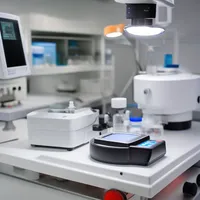
photometer
A scientific or laboratory item, specifically a photometer which is a light measurer.
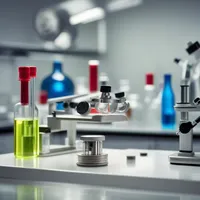
magnet
A scientific or laboratory item, specifically a magnet which is a attraction object.
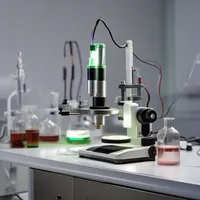
electromagnet
A scientific or laboratory item, specifically a electromagnet which is a electric magnet.
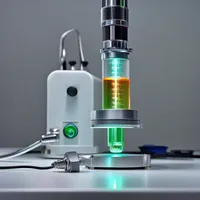
electrode
A scientific or laboratory item, specifically a electrode which is a electric contact.
cathode
A scientific or laboratory item, specifically a cathode which is a negative electrode.
anode
A scientific or laboratory item, specifically a anode which is a positive electrode.
electrolyte
A scientific or laboratory item, specifically a electrolyte which is a conductive liquid.
catalyst
A scientific or laboratory item, specifically a catalyst which is a reaction helper.
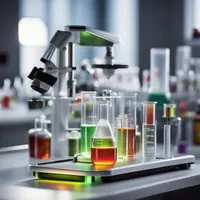
reagent
A scientific or laboratory item, specifically a reagent which is a chemical reactant.
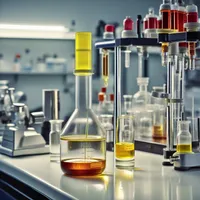
solvent
A scientific or laboratory item, specifically a solvent which is a dissolving liquid.
Related categories
View all categoriesLearning guides
Original articles on vocabulary, flashcards, vocabulary size and pronunciation.