
Safety and emergency vocabulary
Safety vocabulary includes hazard, warning, danger, risk, accident and injury. Signs often use short imperatives: Stop, Danger, No entry, Wear protective equipment, Keep out. These phrases are designed to be understood quickly.
Emergency services include police, fire brigade, ambulance and coastguard. You call an ambulance, report a fire, ask for help and give first aid. Useful phrases are Call an ambulance, There has been an accident and Is anyone hurt?
First-aid words include bandage, plaster, burn, bleed, choke and unconscious. Keep the language simple in an emergency: Stay calm, Press here, Do not move and Help is coming. Short clear sentences are more useful than complex grammar.
Learning tips
- Learn warning signs: Danger, No entry, Keep out, Wear protection.
- Know emergency services: police, fire brigade, ambulance, coastguard.
- Practise short emergency phrases: Call an ambulance, Is anyone hurt?
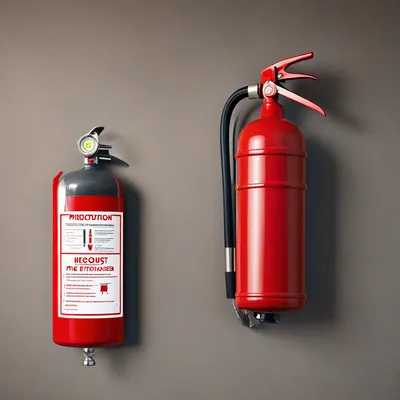
fire extinguisher
A device for putting out small fires.
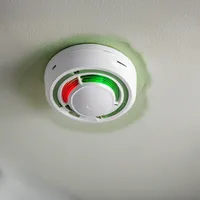
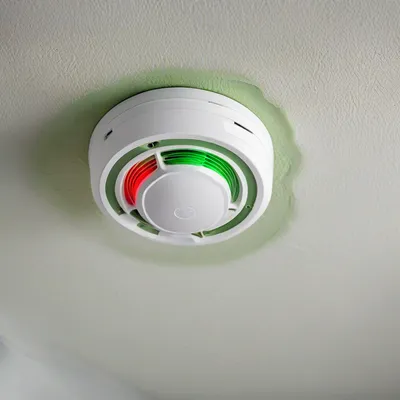
smoke detector
A device that alerts to smoke or fire.
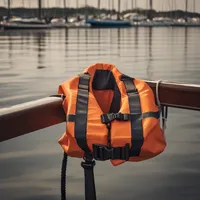
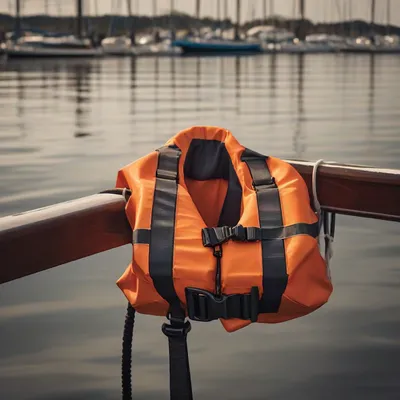
life jacket
A vest that keeps a person afloat in water.

safety helmet
A hard hat protecting the head from injury.

safety vest
A high-visibility vest worn for safety.
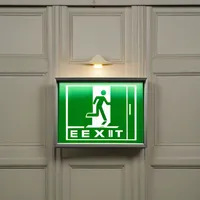
emergency exit
A door used for quick escape in an emergency.

fire drill
A practice of evacuating a building for a fire.
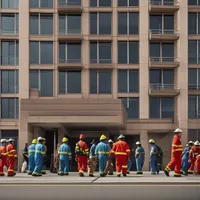
evacuation
Leaving a dangerous area in an organized way.

lifebuoy
A ring thrown to someone in water to help them float.

CCTV camera
A security camera for monitoring an area.

padlock
A detachable lock with a curved bar.
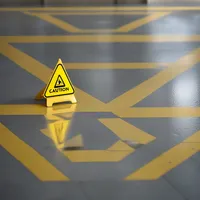
caution sign
A sign warning of potential danger.

safety goggles
Protective glasses for the eyes.
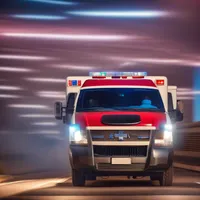
siren
A loud warning device on emergency vehicles.

emergency number
A phone number for reaching emergency services.
Related categories
View all categoriesLearning guides
Original articles on vocabulary, flashcards, vocabulary size and pronunciation.