
Material and substance vocabulary
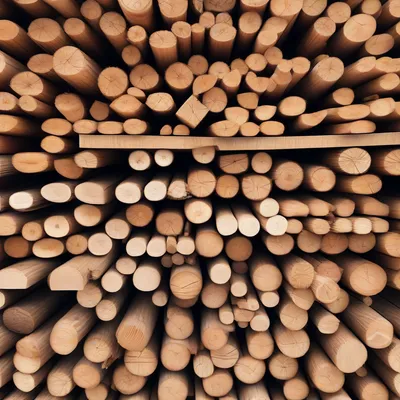
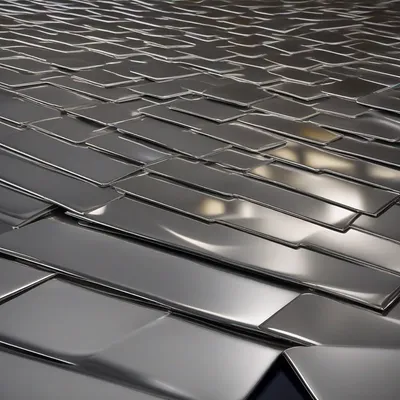
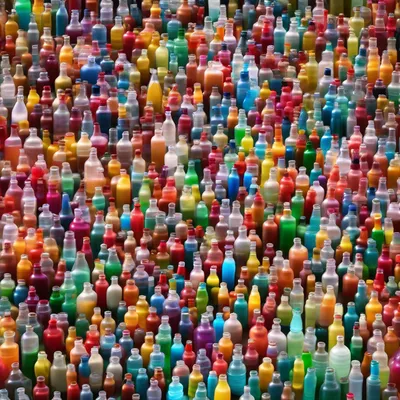
Materials are what things are made of: wood, metal, plastic, glass, paper, stone, rubber and fabric. Substances are materials considered in themselves: water, salt, sugar, oil and air. The words overlap, but the focus is different.
Properties describe how a material behaves: hard, soft, heavy, light, flexible, rigid, waterproof, transparent and absorbent. A waterproof jacket, a flexible hose and a transparent screen are useful collocations.
Changes of state are common in science texts: melt, freeze, boil, evaporate, condense and dissolve. Ice melts; water boils; steam condenses. Learning the verbs with the states makes the vocabulary easier to use.
Learning tips
- Use made of for recognisable materials, made from for transformed ones.
- Collect property adjectives: waterproof, flexible, rigid, transparent.
- Learn state-change verbs: melt, freeze, boil, evaporate, dissolve.
wood
A hard material from trees used for building.
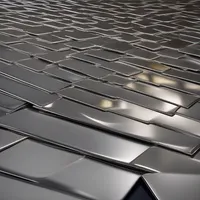
metal
A hard shiny material like iron or steel.
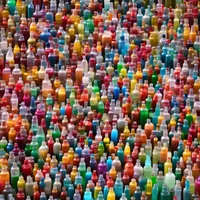
plastic
A synthetic material that can be molded into shapes.

stone
A hard solid mineral material.

clay
A soft sticky material used for modeling and pottery.

paper
A thin flat material used for writing.

rubber
An elastic material that bounces and stretches.
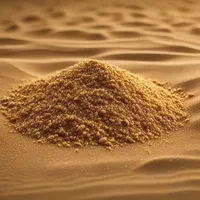
sand
Tiny grains of rock found on beaches and deserts.
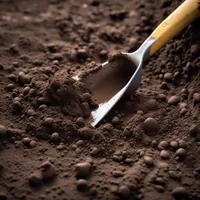
mud
Wet earth.

concrete
A building material made from cement, sand, and water.
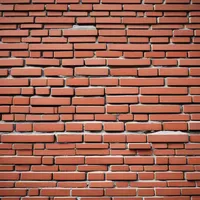
brick
A block of baked clay used for building.

marble
A hard white stone with veins used in buildings.

copper
A red-orange metallic element used in wires.

gold
A precious yellow metallic element.
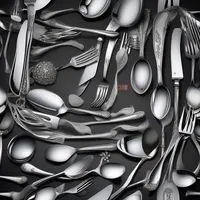
silver
A shiny white precious metal.
Related categories
View all categoriesLearning guides
Original articles on vocabulary, flashcards, vocabulary size and pronunciation.