
Health and medicine vocabulary
Health vocabulary starts with symptoms: headache, cough, fever, rash, pain and swelling. You have a symptom, feel ill, catch a cold and recover from an illness. Notice that have is used for many symptoms, while feel describes the general state.
Medical professionals include doctor, nurse, pharmacist, dentist and surgeon. Treatments include medicine, prescription, injection, surgery and therapy. You take medicine, get a prescription, have an operation and make an appointment.
At a doctor's appointment, useful phrases include I've had a headache for three days, It hurts when I move, I'm allergic to penicillin and Do I need a prescription? These phrases are more valuable than memorising long lists of diseases.
Learning tips
- Use have for symptoms and feel for general state: have a fever, feel ill.
- Learn treatment collocations: take medicine, get a prescription, have an operation.
- Practise doctor phrases: It hurts when I move, I'm allergic to penicillin.

stethoscope
A medical device or item, specifically a stethoscope which is a heart listening.
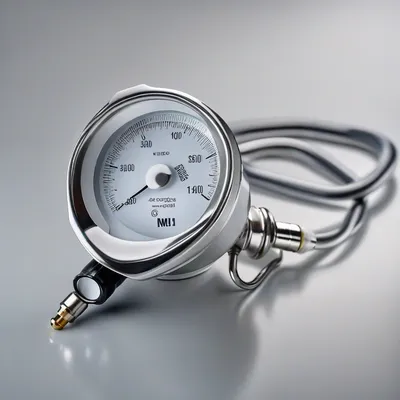
sphygmomanometer
A medical device or item, specifically a sphygmomanometer which is a blood pressure.
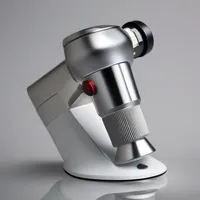
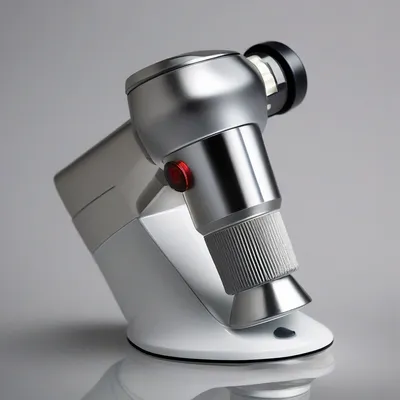
otoscope
A medical device or item, specifically a otoscope which is a ear examiner.
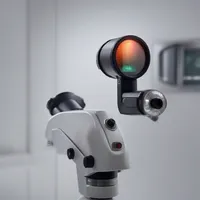
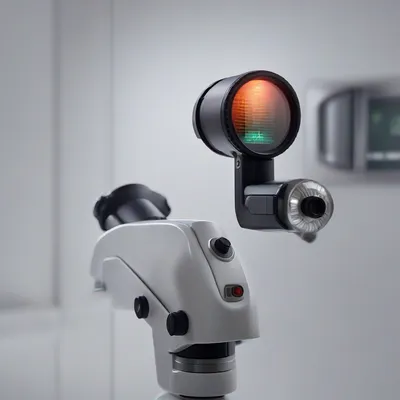
ophthalmoscope
A medical device or item, specifically a ophthalmoscope which is a eye examiner.

reflex
A medical device or item, specifically a reflex which is a knee hammer.
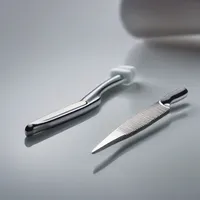
scalpel
A medical device or item, specifically a scalpel which is a surgical knife.
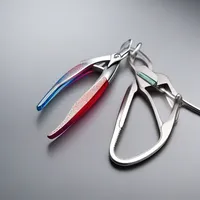
forceps
A medical device or item, specifically a forceps which is a grasping tool.
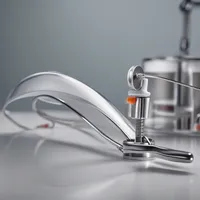
retractor
A medical device or item, specifically a retractor which is a wound opener.
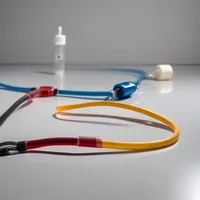
tourniquet
A medical device or item, specifically a tourniquet which is a blood stopper.
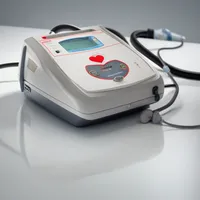
defibrillator
A medical device or item, specifically a defibrillator which is a heart shocker.
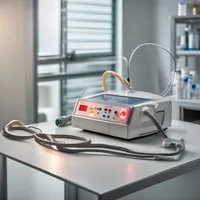
ventilator
A medical device or item, specifically a ventilator which is a breathing machine.

incubator
A medical device or item, specifically a incubator which is a baby warmer.
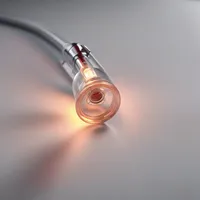
catheter
A medical device or item, specifically a catheter which is a tube inserter.

endoscope
A medical device or item, specifically a endoscope which is a internal camera.

prosthesis
A medical device or item, specifically a prosthesis which is a artificial limb.

orthosis
A medical device or item, specifically a orthosis which is a support brace.
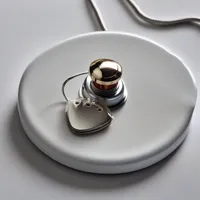
pacemaker
A medical device or item, specifically a pacemaker which is a heart regulator.
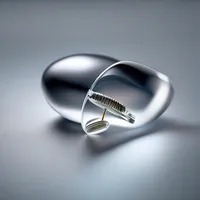
implant
A medical device or item, specifically a implant which is a medical insert.

antiseptic
A medical device or item, specifically a antiseptic which is a germ killer.

disinfectant
A medical device or item, specifically a disinfectant which is a cleaner.
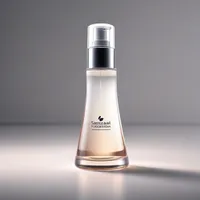
sanitizer
A medical device or item, specifically a sanitizer which is a hand cleaner.

gauze
A medical device or item, specifically a gauze which is a wound dressing.

bandaid
A medical device or item, specifically a bandaid which is a adhesive bandage.

sling
A medical device or item, specifically a sling which is a arm support.

cast
A medical device or item, specifically a cast which is a bone protector.

brace
A medical device or item, specifically a brace which is a joint support.

walker
A medical device or item, specifically a walker which is a walking aid.
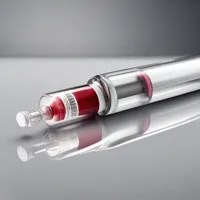
intravenous
A medical device or item, specifically a intravenous which is a vein drip.
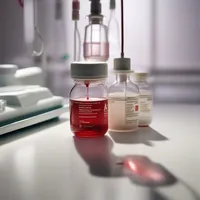
transfusion
A medical device or item, specifically a transfusion which is a blood transfer.
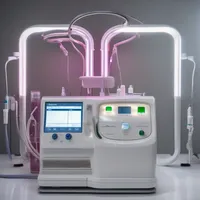
dialysis
A medical device or item, specifically a dialysis which is a kidney machine.
Related categories
View all categoriesLearning guides
Original articles on vocabulary, flashcards, vocabulary size and pronunciation.
IELTS Vocabulary: What to Learn and How to Use It
A practical guide to building IELTS vocabulary for Writing, Speaking, Reading and Listening without memorising word lists.
9 min readEnglish Vocabulary for Doctors and Health
Describe symptoms, understand advice and talk to a doctor or pharmacist in English.
8 min readTOEFL Vocabulary: A Practical Study Guide
Build academic vocabulary for TOEFL Reading, Listening, Writing and Speaking without memorising random word lists.
9 min read