



Elements and natural phenomena vocabulary
The classical elements are earth, air, fire and water. They appear in science, literature and everyday expressions: on land, in the air, on fire, in the water. These phrases are more natural than translating each element in isolation.
Natural phenomena include earthquake, flood, drought, storm, lightning, thunder, landslide and wildfire. Verbs are useful: shake, flood, erupt, strike, spread and destroy. An earthquake shakes the ground; a wildfire spreads quickly.
Safety vocabulary is important: evacuate, shelter, warning, emergency, rescue and damage. News reports often use these words together, so learning them as a group helps you understand disaster coverage.
Learning tips
- Learn element phrases: on land, in the air, on fire, in the water.
- Collect phenomenon words: earthquake, flood, drought, wildfire, landslide.
- Learn safety terms: evacuate, shelter, warning, rescue, damage.

flame
The visible part of a fire.

smoke
A visible suspension of particles in the air.

spark
A small fiery particle thrown off from a fire.

bubble
A thin ball of liquid enclosing air.

crystal
A clear transparent mineral.

pearl
A smooth lustrous gem formed in oysters.

mist
A thin fog of water droplets.

dew
Moisture condensed on cool surfaces at night.
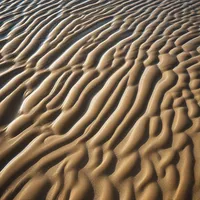
tide
The alternate rising and falling of the sea.

horizon
The line where the earth meets the sky.

shore
The land along the edge of water.

reef
A ridge of coral or rock near the water surface.

cliff
A steep rock face at the coast.
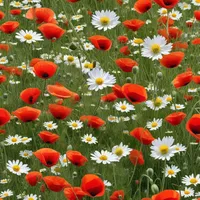
meadow
A field of grass and wildflowers.
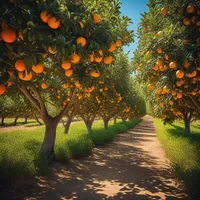
grove
A small group of trees.
Related categories
View all categoriesLearning guides
Original articles on vocabulary, flashcards, vocabulary size and pronunciation.