Wild animal vocabulary: habitats, actions and conservation
Wild animals are usually learned through habitat. A lion lives on the savanna, a polar bear lives in the Arctic, a camel lives in the desert and a panda lives in bamboo forests. Learning the habitat together with the animal gives you two useful words at once and helps you remember where the animal belongs.
Many wild animal words appear in news stories about conservation. Useful phrases include endangered species, natural habitat, wildlife reserve, hunt for food and prey on. A predator hunts, and prey is hunted. These words are common in documentaries, museums and environmental articles.
Describing animals also needs adjectives: fierce, gentle, nocturnal, endangered, wild and tame. A nocturnal animal is active at night, which explains why you may never see it during a daytime visit to a zoo.
Learning tips
- Learn each animal with a habitat: savanna, Arctic, desert, rainforest, ocean.
- Remember predator and prey as a pair, and use prey on for the action.
- Collect conservation phrases: endangered species, wildlife reserve, natural habitat.
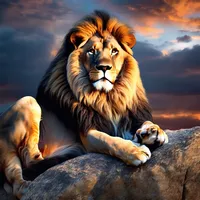
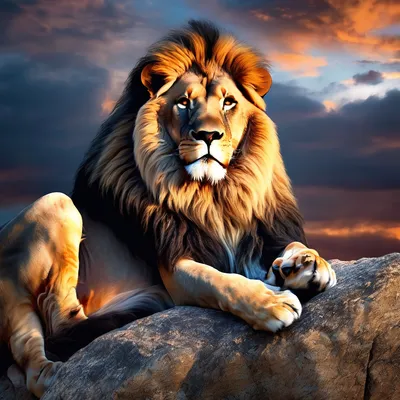
lion
A large wild cat known as the king of the jungle.
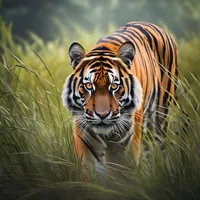
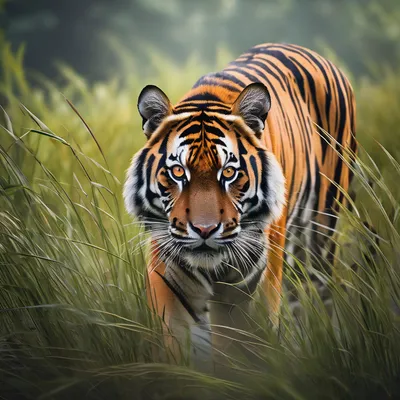
tiger
A large wild cat with orange fur and black stripes.
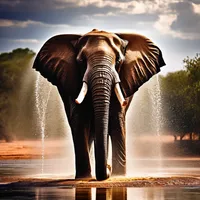
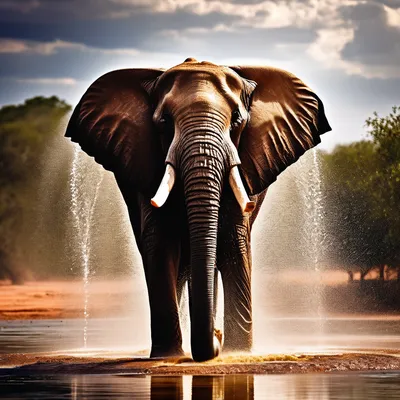
elephant
The largest land animal with a long trunk.
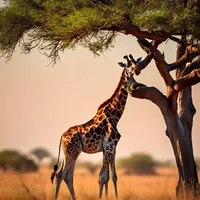
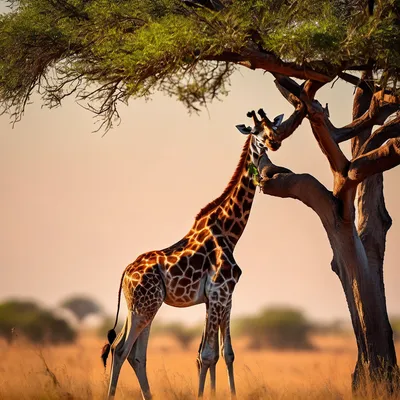
giraffe
The tallest animal with a very long neck.
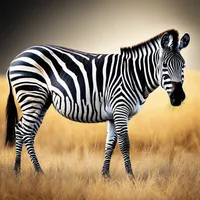
zebra
A horse-like animal with black and white stripes.
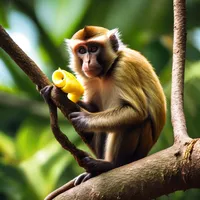
monkey
A playful primate that lives in trees.
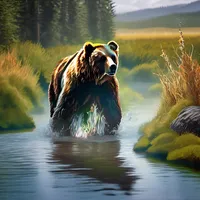
bear
A large, heavy animal with thick fur.
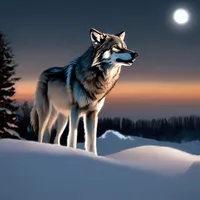
wolf
A wild dog-like animal that lives in packs.
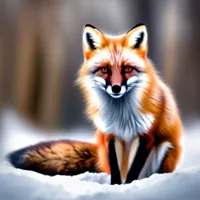
fox
A clever wild animal with a bushy tail.
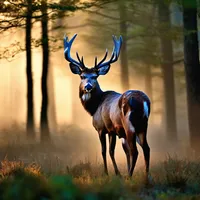
deer
A graceful animal, the male has antlers.
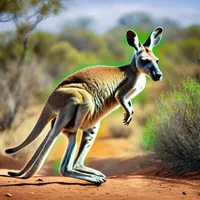
kangaroo
An Australian animal that hops and carries babies in a pouch.
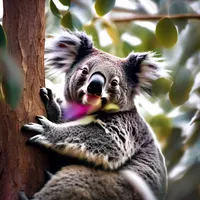
koala
A furry Australian animal that lives in eucalyptus trees.

panda
A black and white bear from China that eats bamboo.
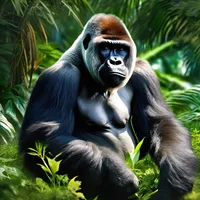
gorilla
A large, powerful ape.
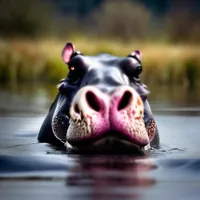
hippo
A huge animal that lives in African rivers.
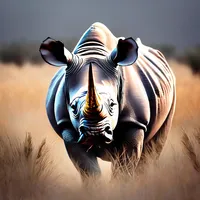
rhino
A large animal with one or two horns on its nose.
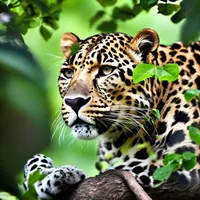
leopard
A wild cat with spotted fur.
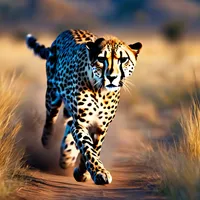
cheetah
The fastest land animal with spotted fur.
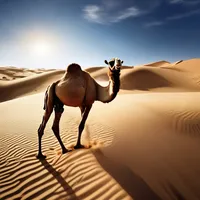
camel
A desert animal with one or two humps.
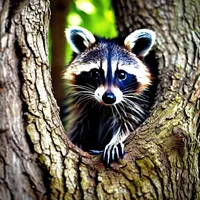
raccoon
A nocturnal animal with a black face mask.
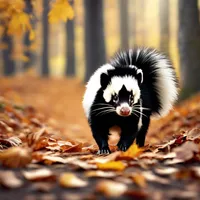
skunk
A black animal with white stripes known for its smell.
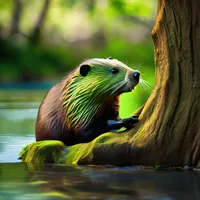
beaver
A rodent that builds dams in rivers.
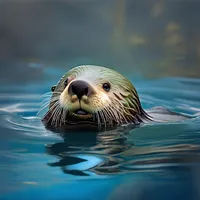
otter
A playful water-loving animal with sleek fur.
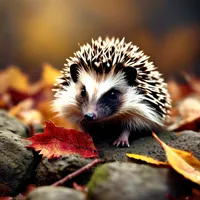
hedgehog
A small spiny mammal that curls into a ball.
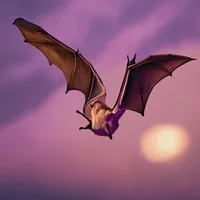
bat
A flying mammal that is active at night.
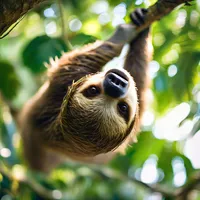
sloth
A very slow-moving animal that hangs from trees.
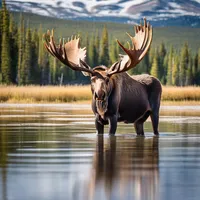
moose
A large deer with broad, flat antlers.
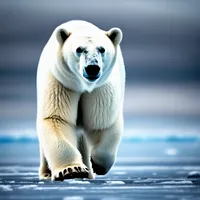
polar bear
A white bear that lives in the Arctic.
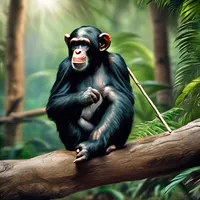
chimpanzee
An intelligent ape closely related to humans.
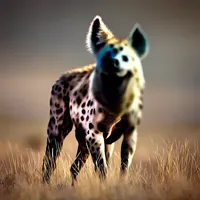
hyena
An African animal known for its laughing call.
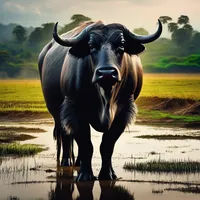
buffalo
A large wild ox with curved horns.
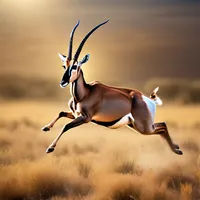
antelope
A fast, graceful animal with curved horns.
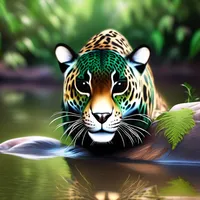
jaguar
A large spotted wild cat from the Americas.
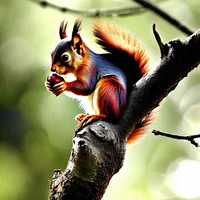
squirrel
A small bushy-tailed animal that collects nuts.
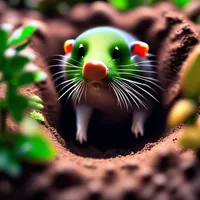
mole
A small burrowing mammal with tiny eyes.
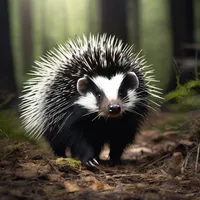
porcupine
A rodent covered in sharp quills.
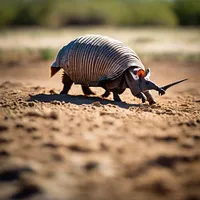
armadillo
An animal with a hard armored shell.
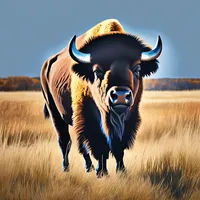
bison
A large wild ox with shaggy brown fur.
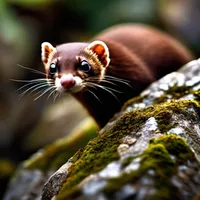
weasel
A small, slender predatory animal.
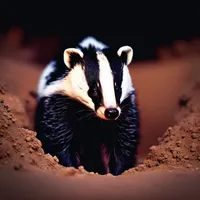
badger
A stocky burrowing animal with striped face.
Related categories
View all categoriesLearning guides
Original articles on vocabulary, flashcards, vocabulary size and pronunciation.